
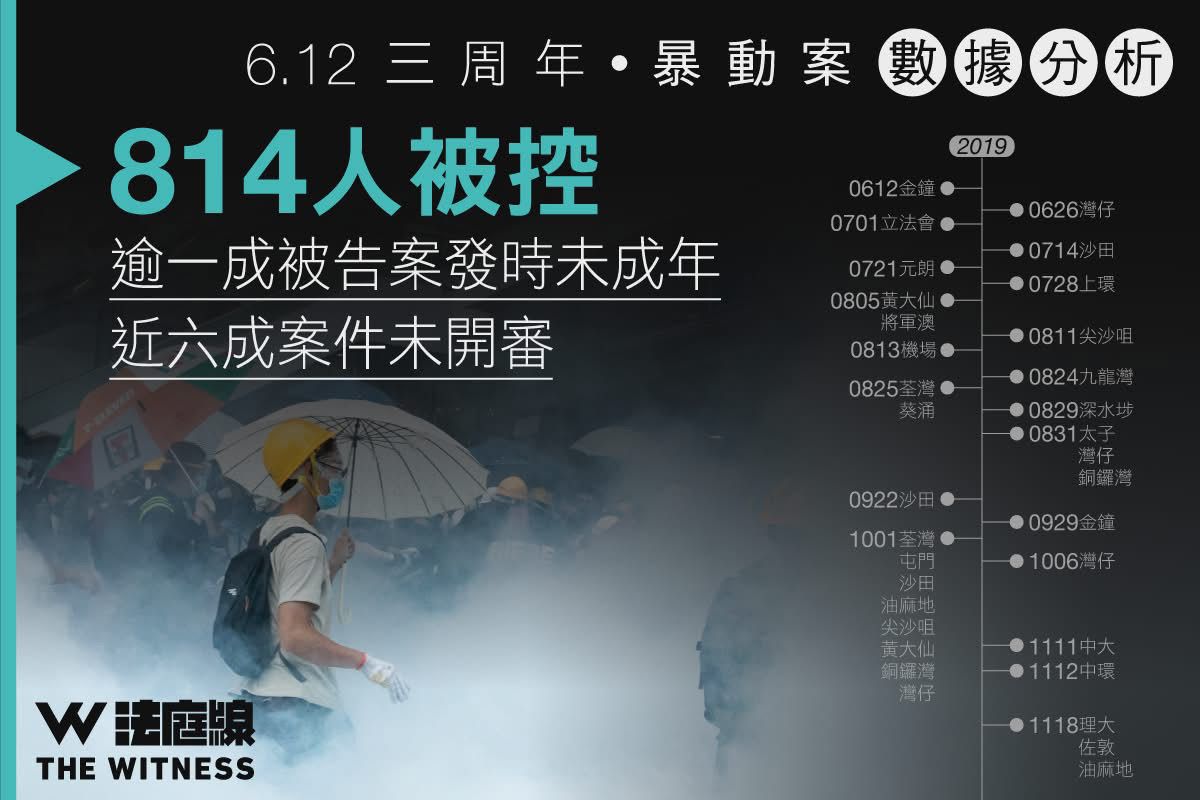
6.12 Archive: Visualizing Civic Legal Data
Publish date: 15 June, 2022
Publish date: 15 June, 2022
Focus: Data Visualization / Information Design / Quantitative Analysis
Project Objective: Conducted a comprehensive Data-driven Investigation into the judicial proceedings of 814 defendants for The Witness.
Methodology: Synthesized high-density legal datasets—sentencing—into objective narratives via Systematic Visual Encoding (dot matrices and geographic spatial mapping).
Key Expertise: Demonstrates proficiency in Data Visualization and Quantitative Storytelling—the ability to transform complex, multi-dimensional raw data into digestible, evidence-based visual insights.
Project Objective: Conducted a comprehensive Data-driven Investigation into the judicial proceedings of 814 defendants for The Witness.
Methodology: Synthesized high-density legal datasets—sentencing—into objective narratives via Systematic Visual Encoding (dot matrices and geographic spatial mapping).
Key Expertise: Demonstrates proficiency in Data Visualization and Quantitative Storytelling—the ability to transform complex, multi-dimensional raw data into digestible, evidence-based visual insights.
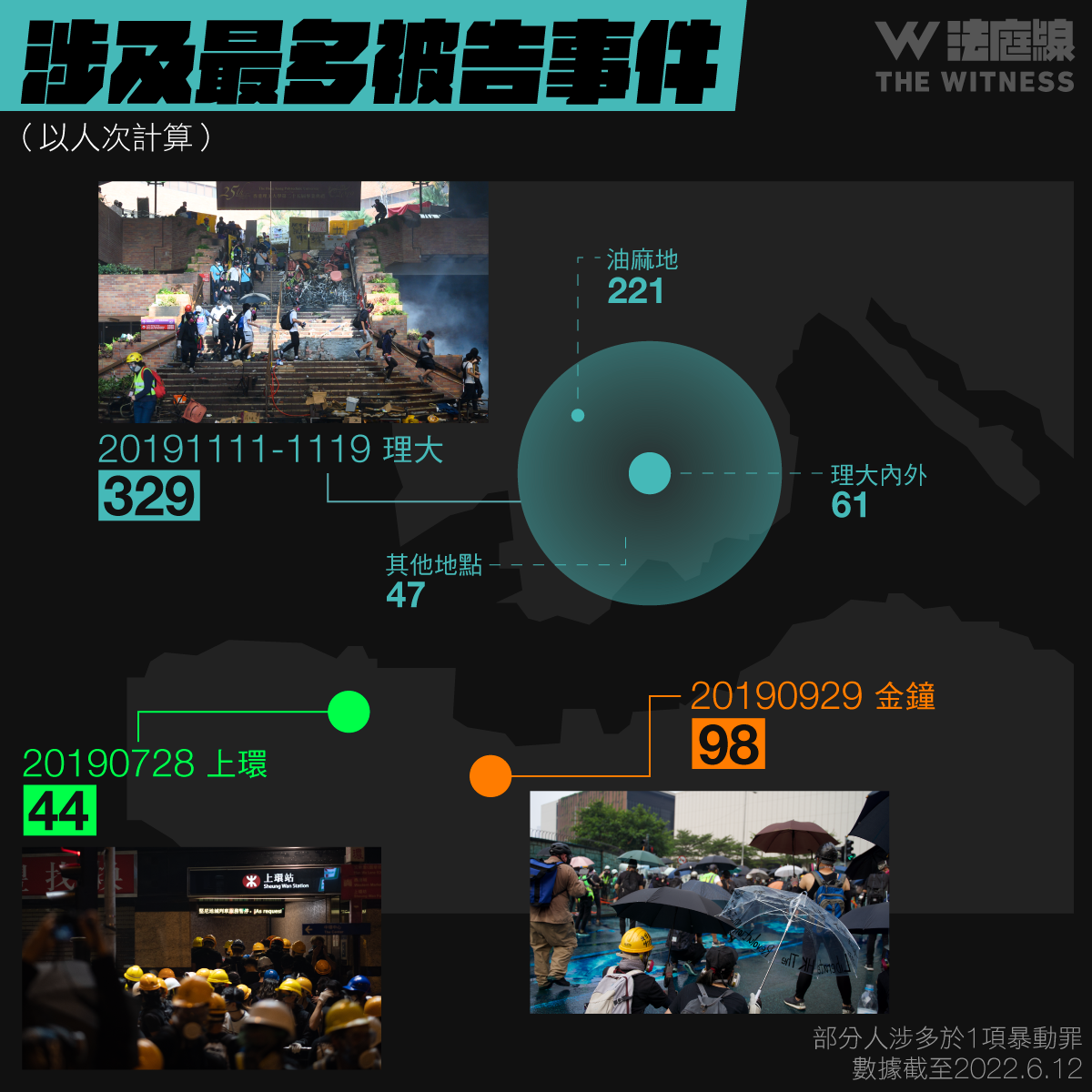
Incident Mapping: Geographical distribution of charges; proportional bubbles highlight the high density of defendants at PolyU.
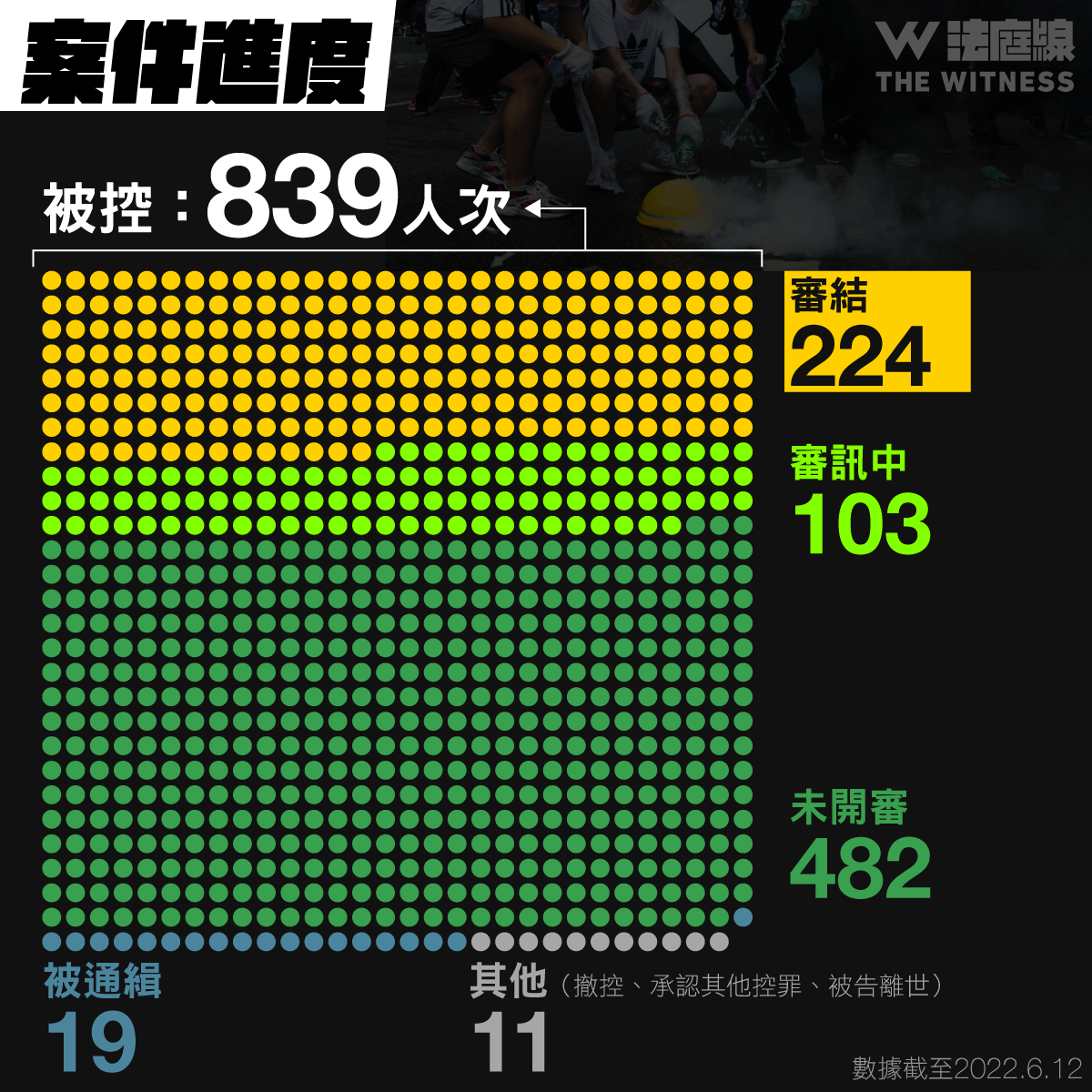
(Left) Judicial Status Matrix: 839 dots representing individual charges, color-coded by legal progress; trials "pending/not yet started" form the majority.
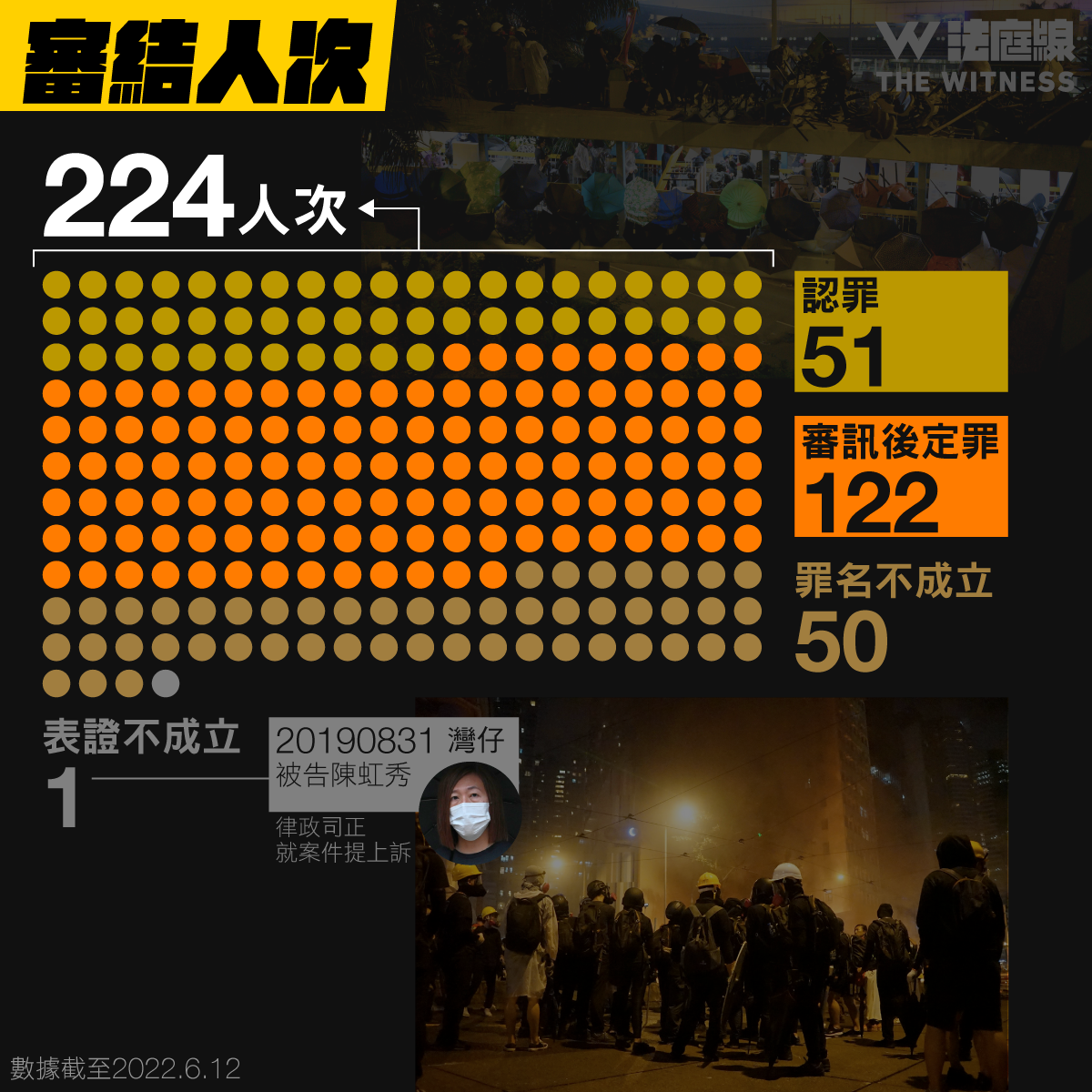
(Middle) Verdict Segmentation: Analysis of 224 concluded cases; "Guilty after trial" accounts for the largest segment at 122 instances.
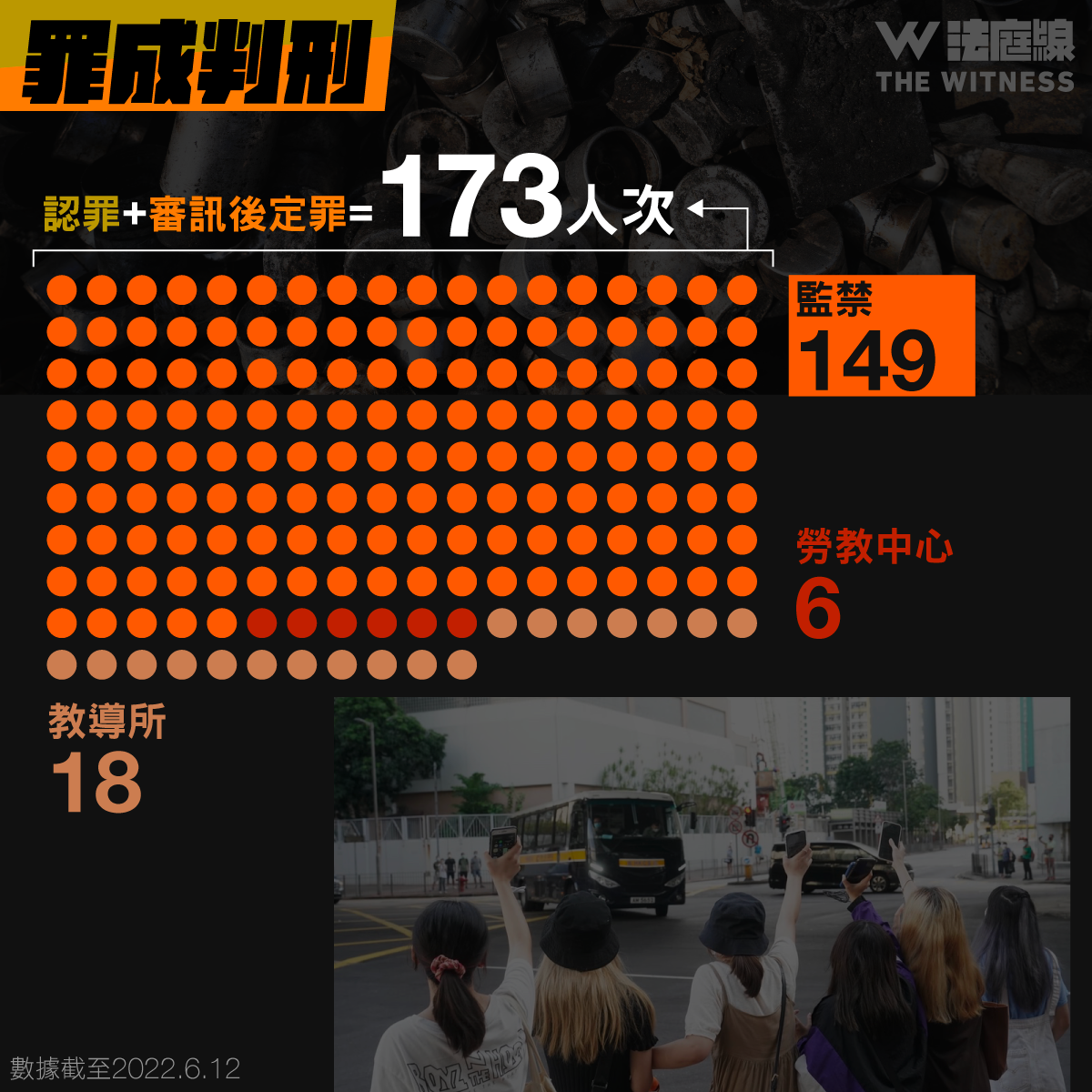
(Right) Penal Outcomes: Breakdown of 173 convicted instances; imprisonment is the predominant sentence, affecting 149 individuals.
(Middle) Verdict Segmentation: Analysis of 224 concluded cases; "Guilty after trial" accounts for the largest segment at 122 instances.
(Right) Penal Outcomes: Breakdown of 173 convicted instances; imprisonment is the predominant sentence, affecting 149 individuals.
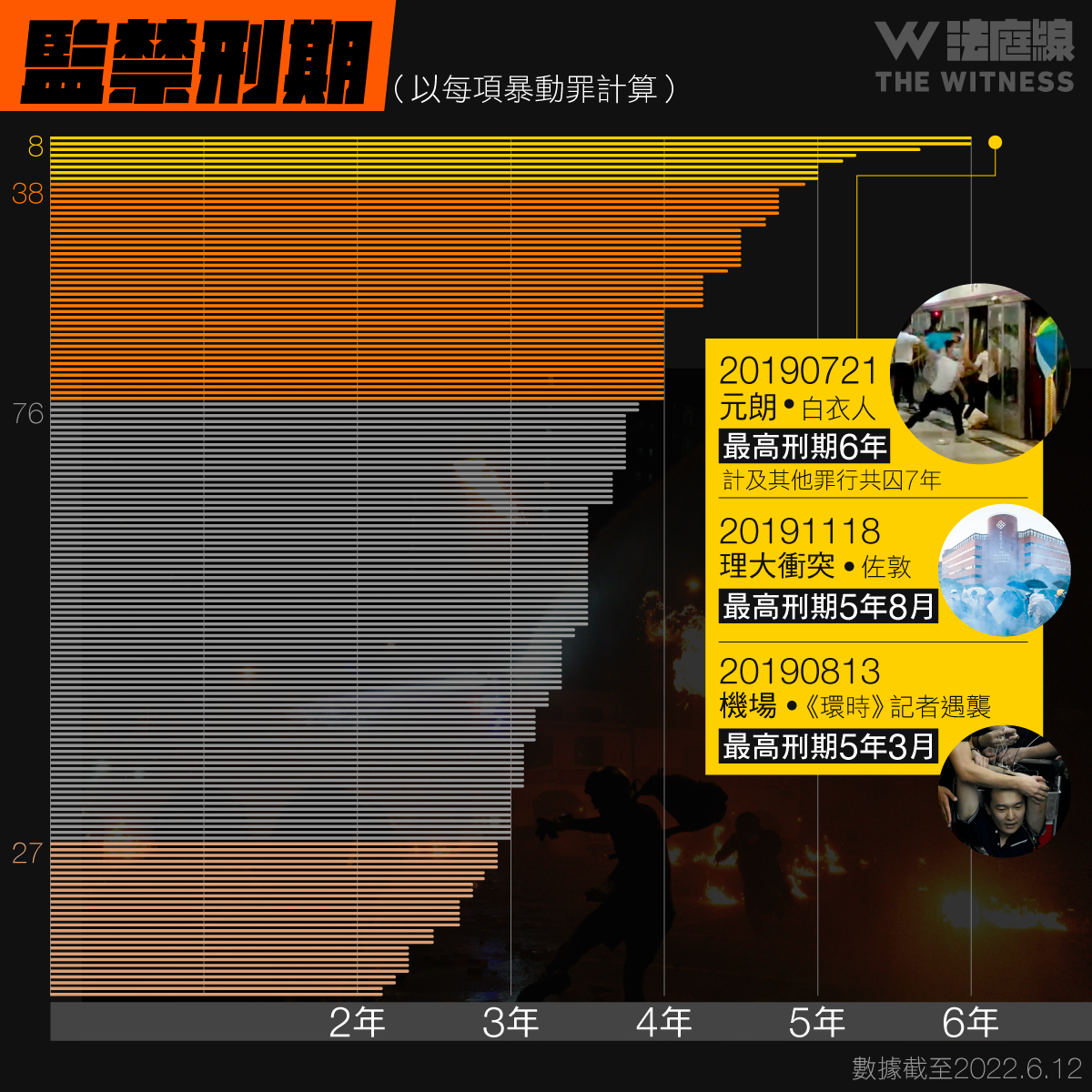
Sentencing Duration: Quantifying prison terms; the majority (76) received 3 to 3.9 years, with 8 individuals receiving maximum terms of 5+ years.